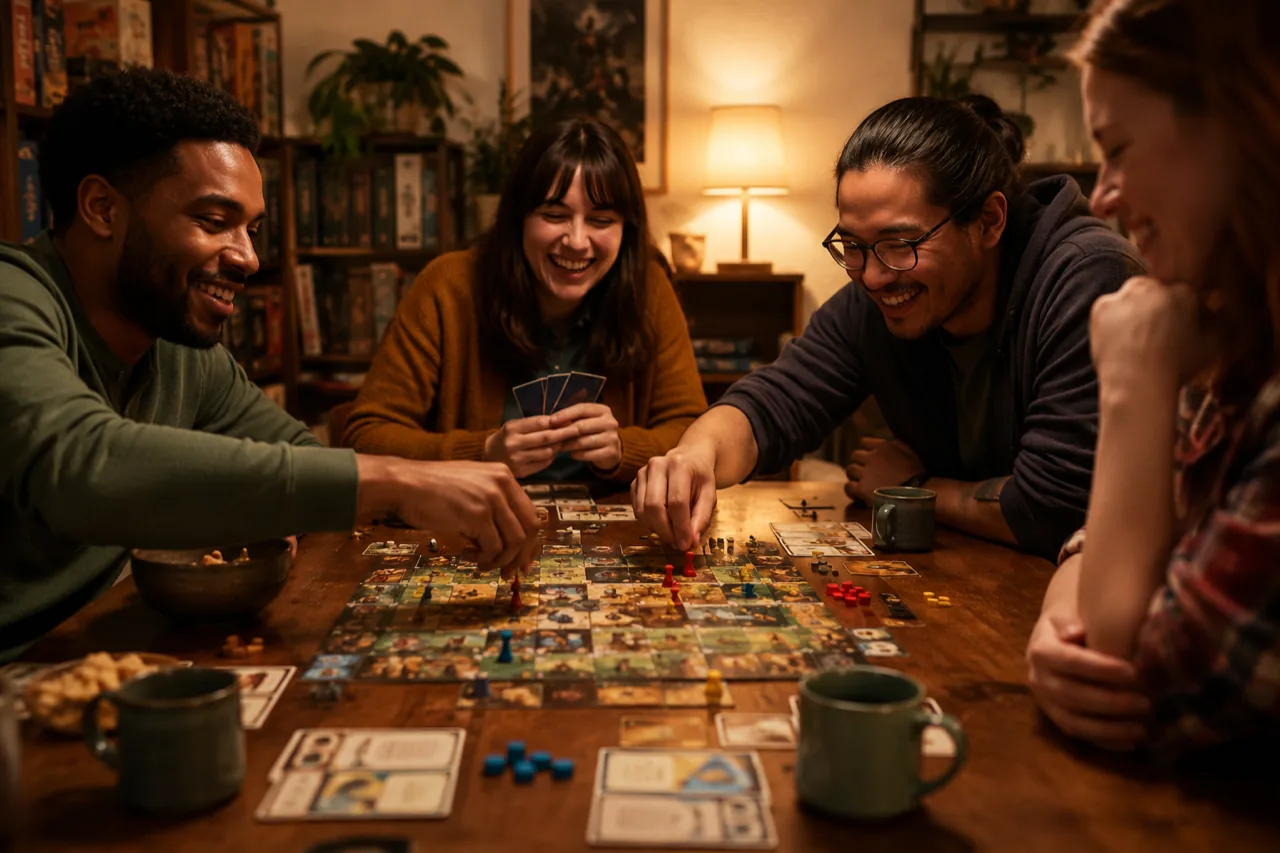
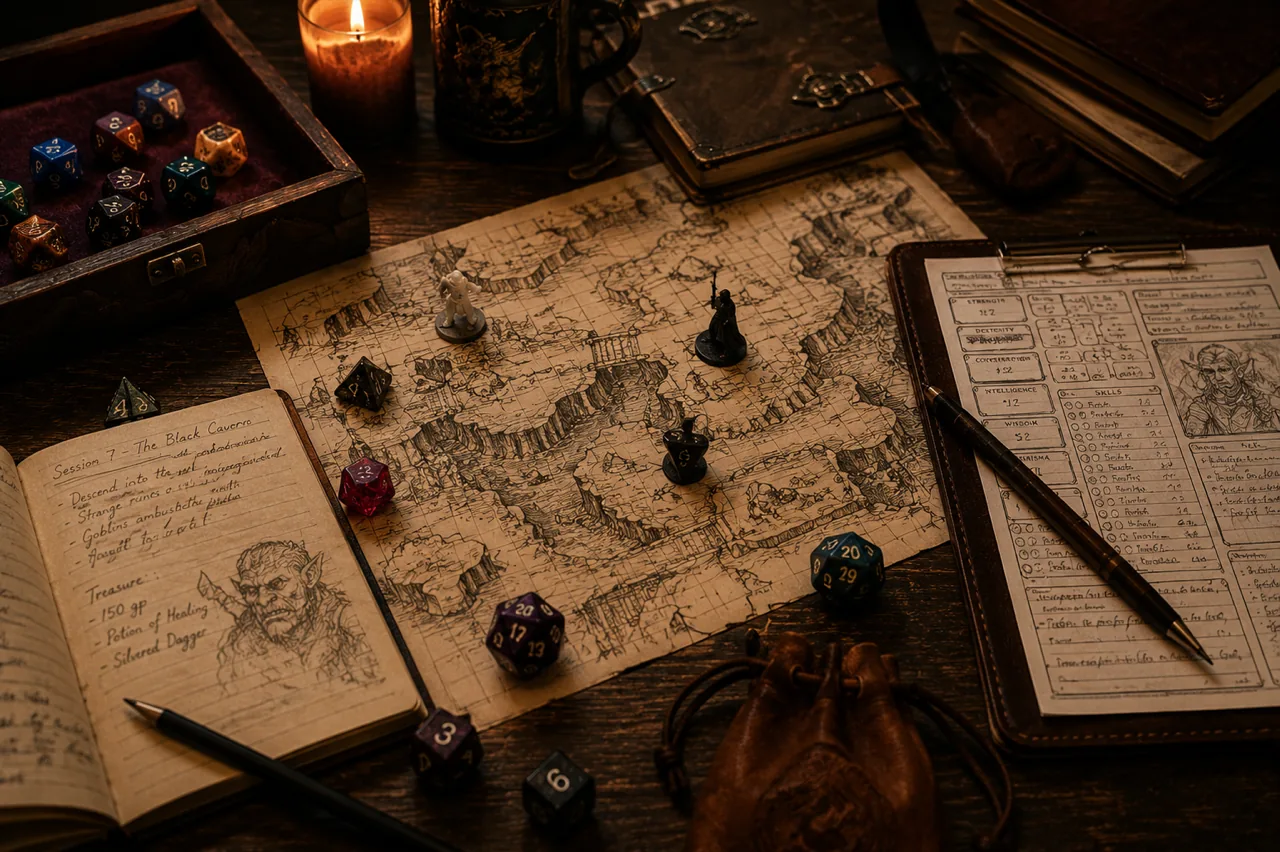
You can own the prettiest rulebook on the shelf and still have a session fall flat. After a few hundred hours behind and in front of the screen, I'm convinced that what makes a tabletop RPG actually click has very little to do with the rules and almost everything to do with the people who agree to take it seriously.
Buy-in beats mechanics
The single best predictor of a great session is whether everyone at the table is willing to say "yes, and." A player who leans in — who names their character's little brother, who asks the innkeeper a question the GM never prepared for — gives the whole evening somewhere to go. You can trace the roots of tabletop roleplaying back to wargamers who started caring more about their single soldier than the battle, and that same instinct still powers every good session today.
The GM is a fan, not a referee
The best games masters I've played with don't see themselves as adversaries. They're the biggest fan of the characters at the table, rooting for them to do something memorable even when the dice are cruel. That posture changes everything. When the GM is delighted rather than defensive, players take bigger swings, and bigger swings are where the unforgettable moments live.
Friction is the feature
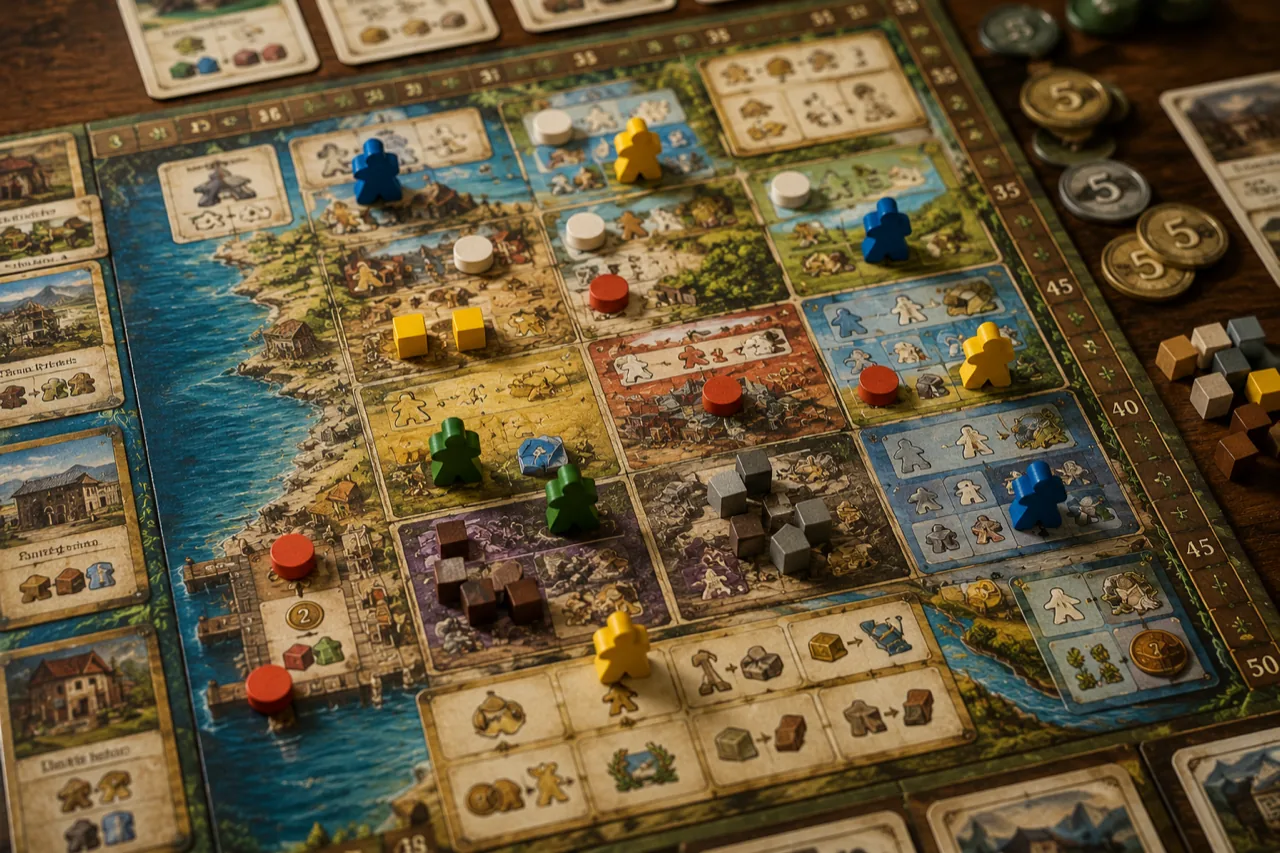
It's tempting to think a smooth, frictionless system is the goal, but a little resistance is what makes choices matter. Running out of spell slots, failing the roll, having to talk your way out instead of fighting — these constraints are the engine of story. The rules don't need to be elegant. They need to occasionally tell you no, so that the moments you scrape through feel earned. Get the people right and the friction honest, and almost any system will click.