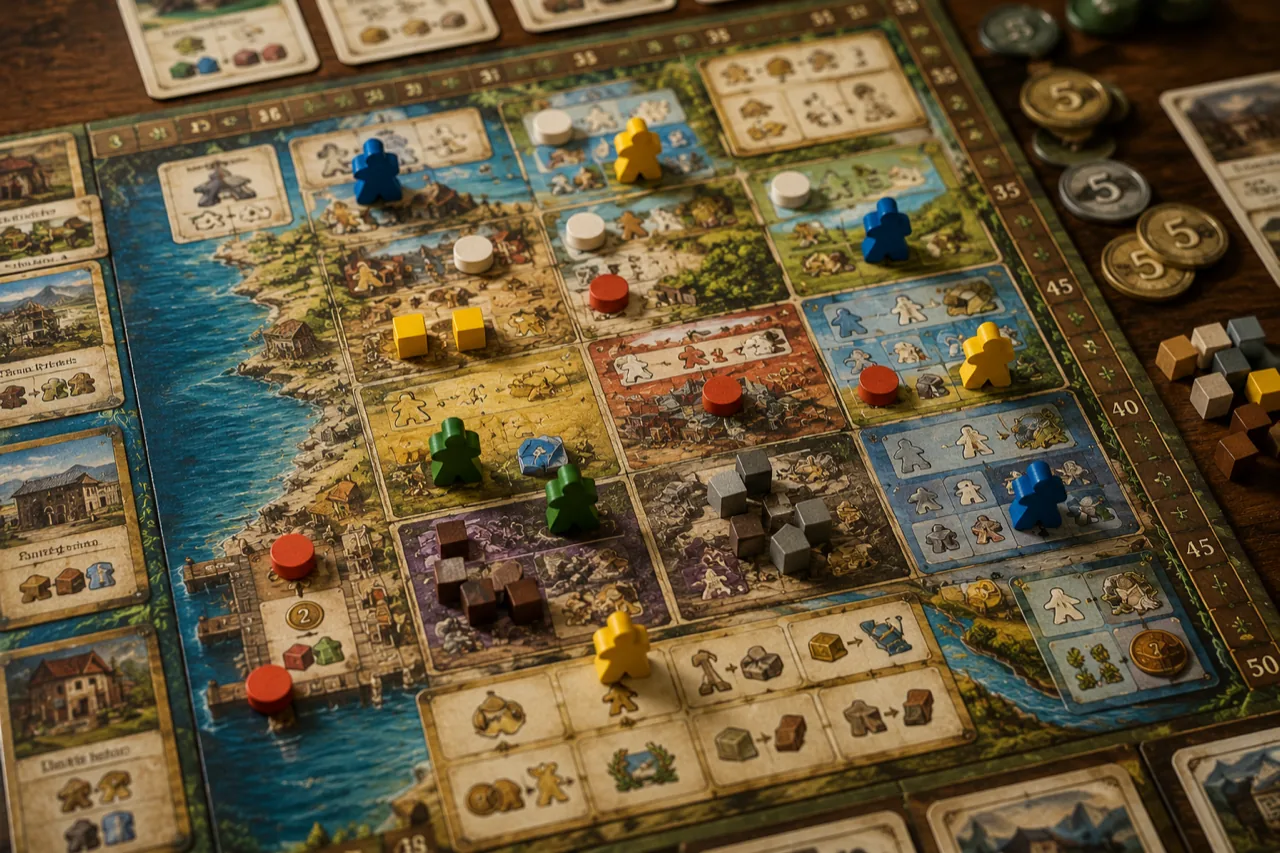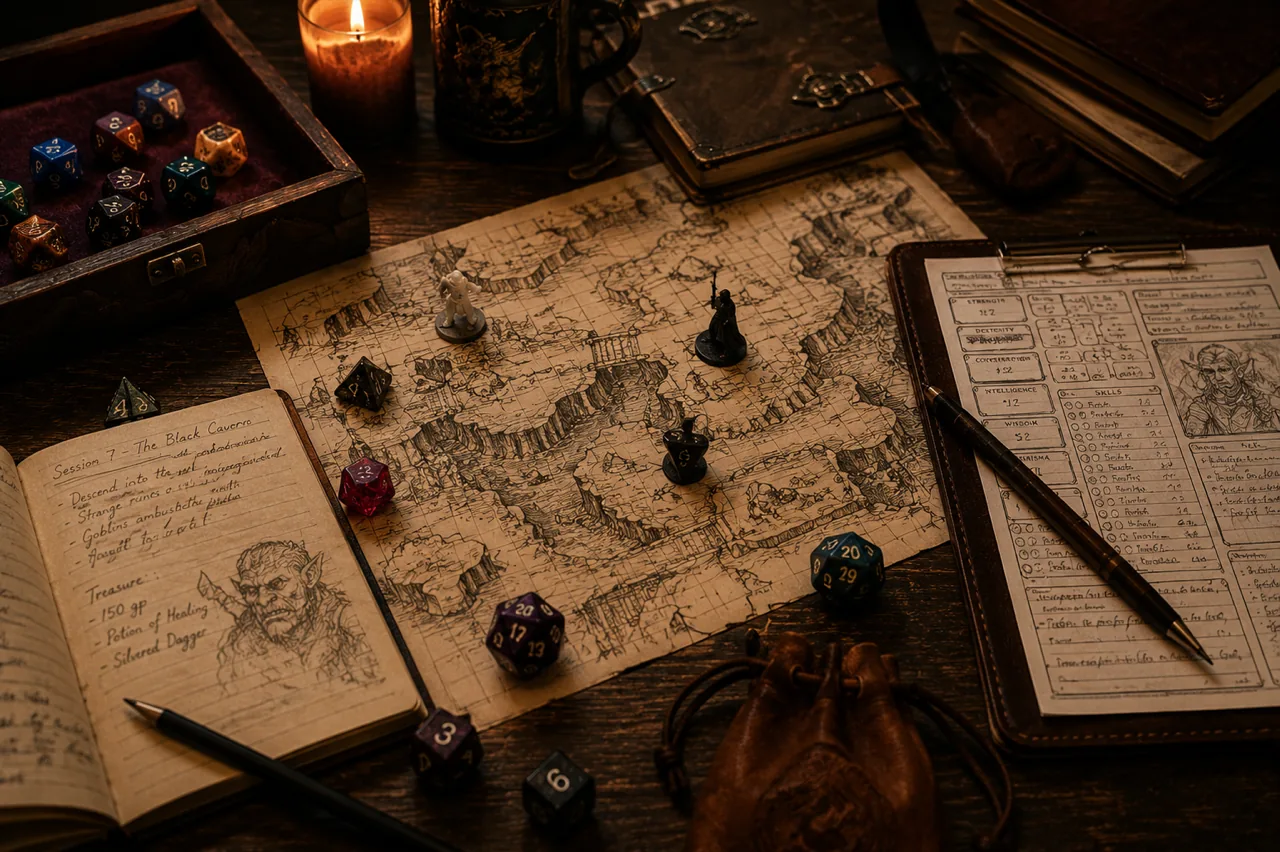
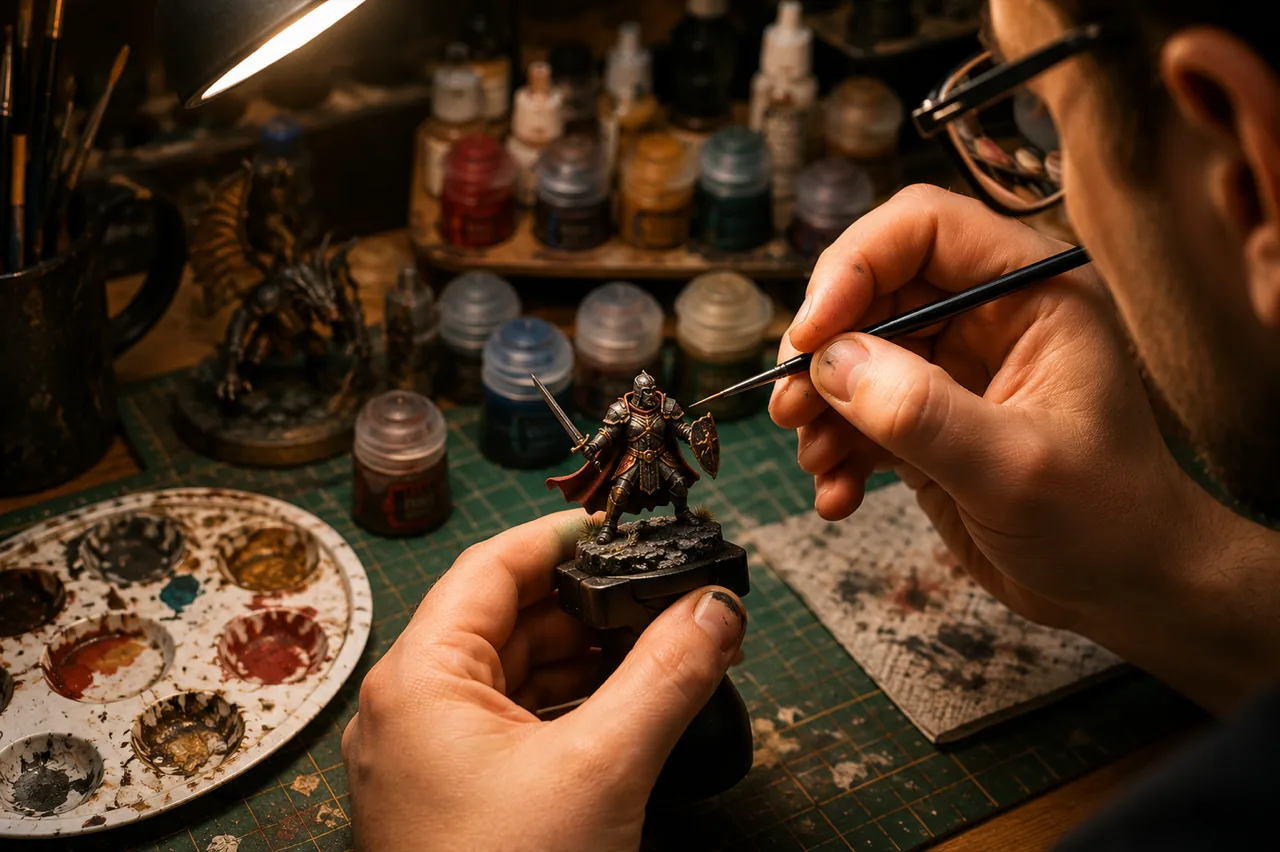
Every painted army you've ever admired started with one wobbly, over-thinned, slightly smudged first model. The hobby has a reputation for being intimidating, and the photos online don't help — but the gap between "never painted anything" and "table-ready" is much smaller than it looks. Your first miniature will be rough. That's not failure; that's the cost of admission.
Three steps will carry you a long way
Prime it, base-coat it, wash it. That's genuinely enough to make a model look good at arm's length on a table. A black or grey primer, a few flat colours blocked in, and a single application of a dark wash to settle into the recesses will outperform anything you do by overthinking. People spend years chasing blending and edge highlights, but 80 percent of the visual payoff lives in those first three steps.
Cheap tools, good light
You don't need a 40-brush set. You need two or three decent synthetic brushes, a wet palette you can fake with a takeaway lid and baking parchment, and a bright lamp. Bad lighting ruins more paint jobs than bad technique. Thin your paints with a drop of water so the detail doesn't drown — thick paint is the single most common beginner mistake, and it's the easiest one to fix.
Finish models, don't perfect them
The fastest way to improve is to get models fully done rather than endlessly tweaking one. A finished squad of six "okay" minis teaches you more than one half-painted masterpiece, because you learn how your choices read across a whole unit. Paint, base, varnish, move on. By your tenth model you'll already see the difference, and that first rough one will sit at the back of the shelf as proof of how far you came.